How to Teach Love
Why learning to love matters, and how stories, context, and abstraction can teach it. A talk on what actually makes people fall for the things they learn.
You cannot build a ship by handing out orders
Every curriculum starts with a plan: the frames, the stations, the pine board patterns. None of it explains why anyone would want to go to sea.
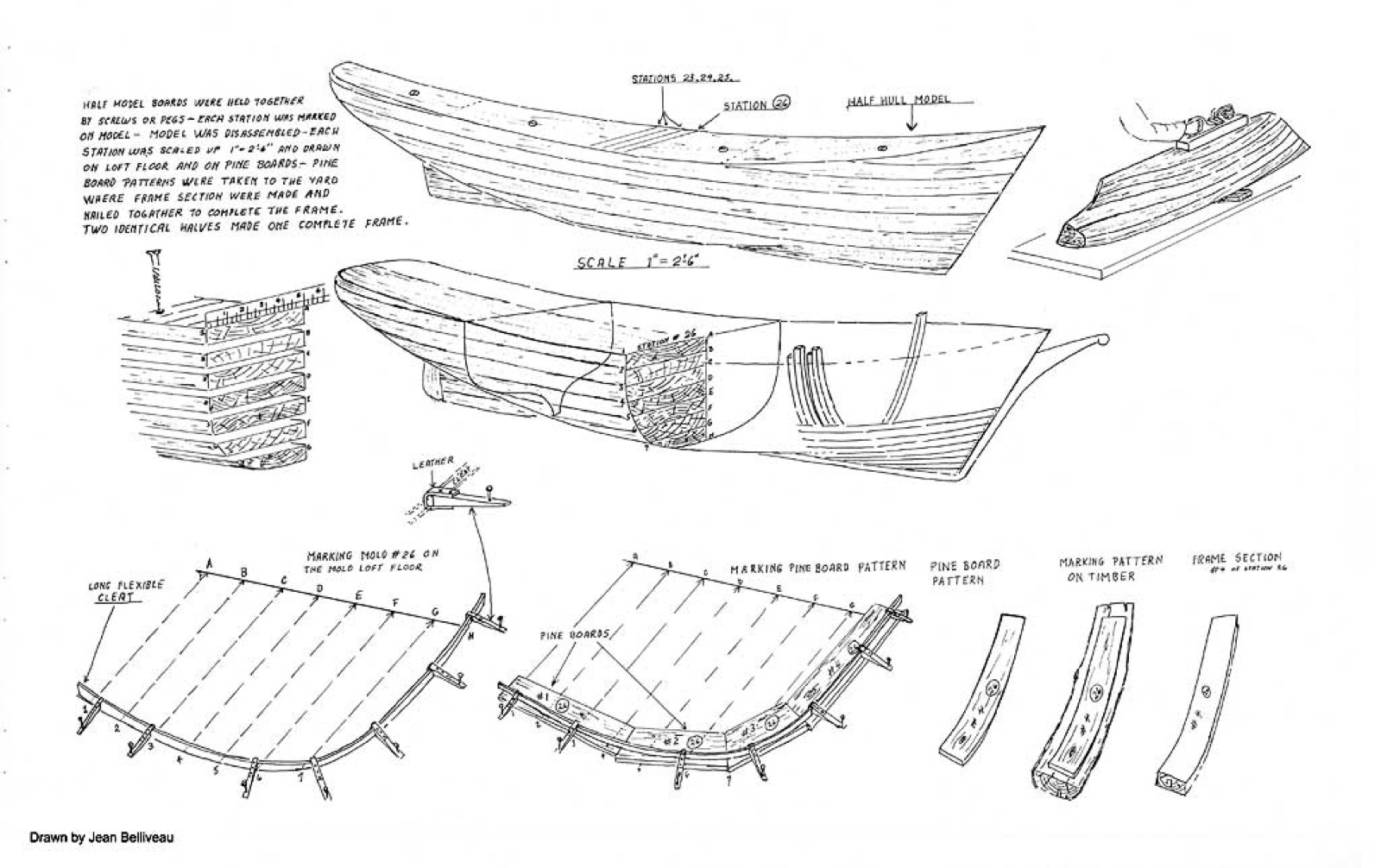 Half-model lofting drawings. Drawn by Jean Belliveau.
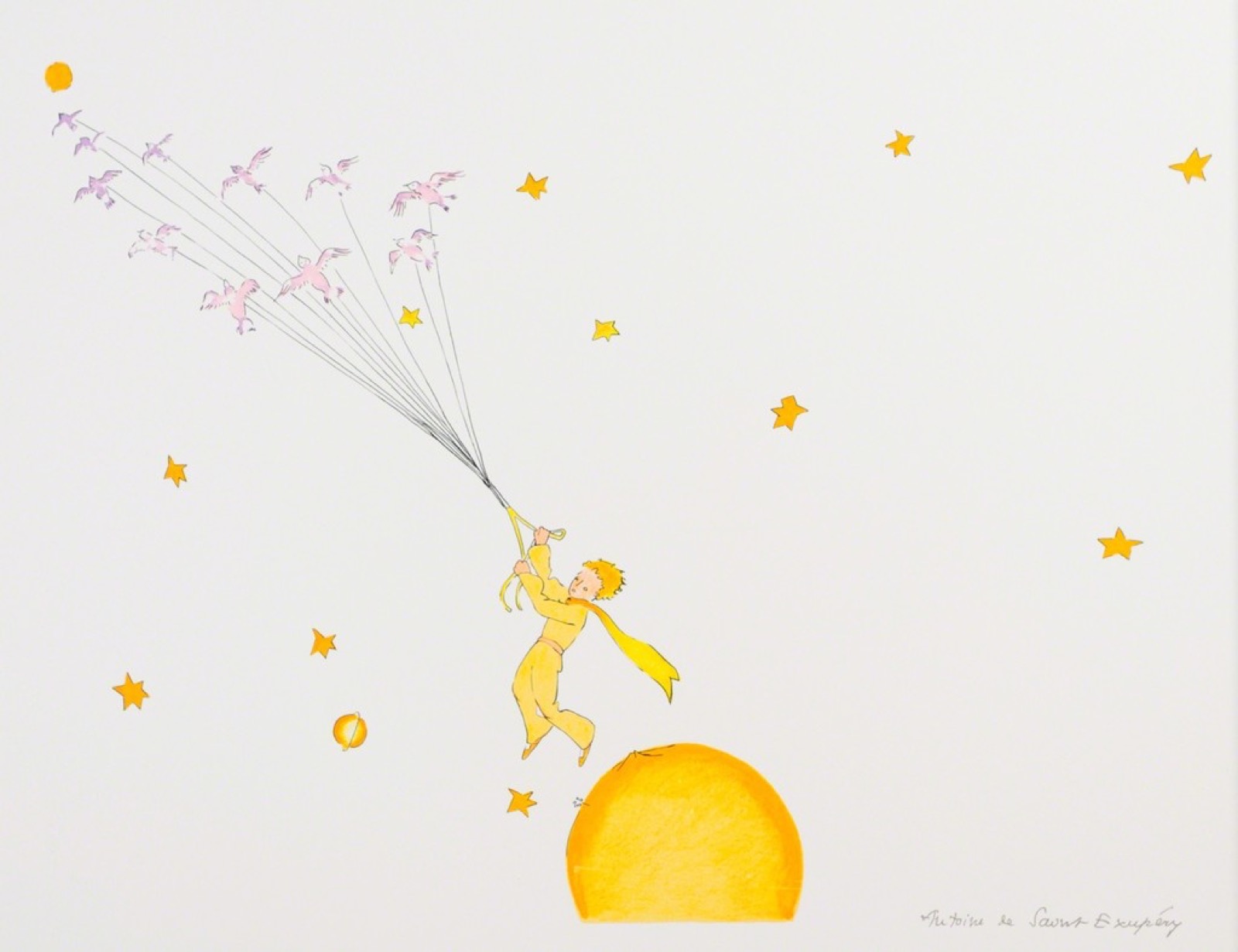
“If you want to build a ship, don’t drum up the men to gather wood, divide the work, and give orders. Instead, teach them to yearn for the vast and endless sea.”
Antoine de Saint-ExupéryThe more we learn to love, the more we can do.
How I fell in love with an ad-targeting problem
Designer Pages, 2009“The best minds of my generation are thinking about how to make people click ads.”
Jeffrey Hammerbacher, FacebookI ran a search engine for interior designers. It listed 9,533 brands and 200,000+ products, and it had a problem no one wanted to love: only the popular searches could be sold. Everything else sat in the long tail.

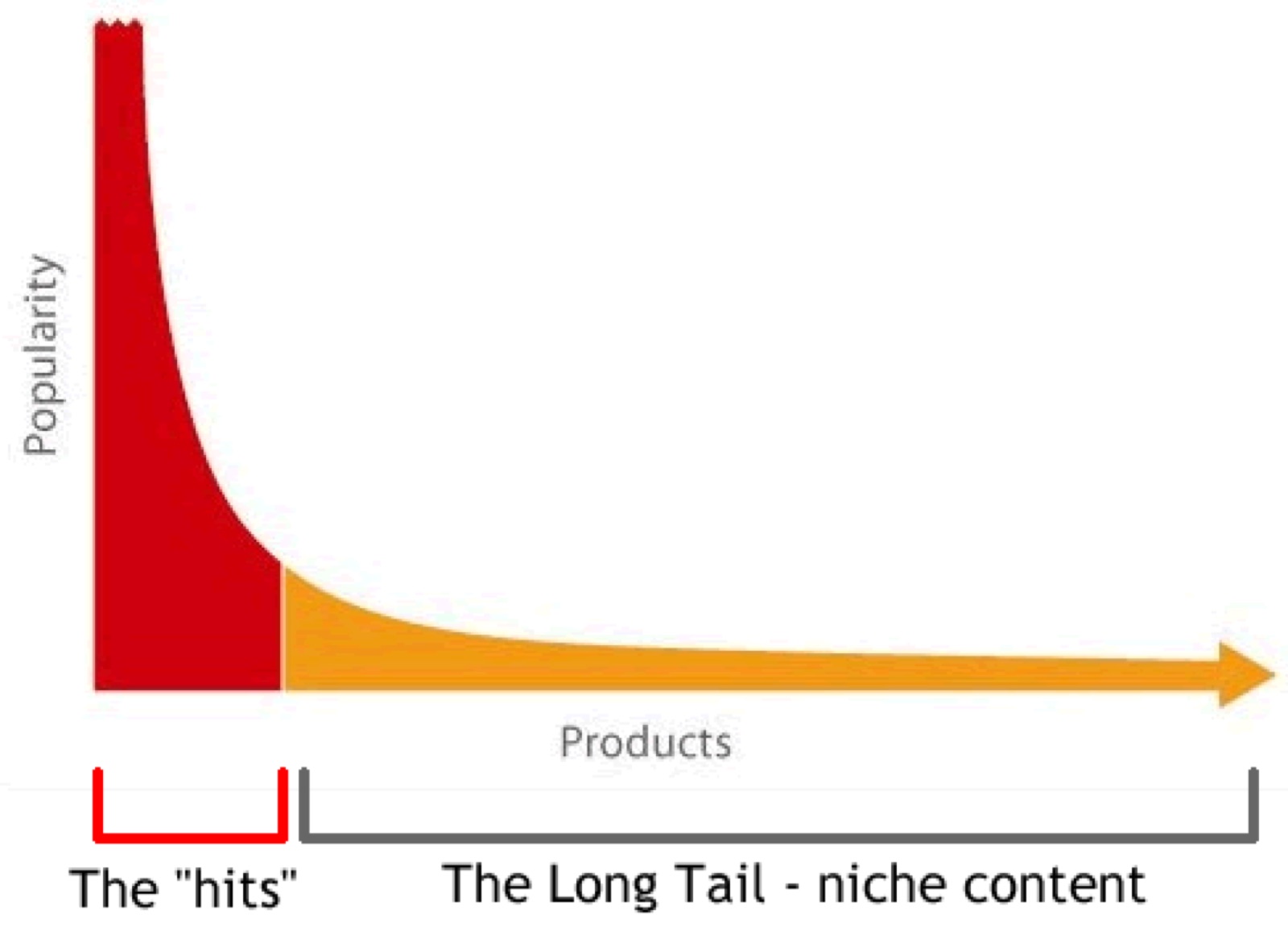
Monetizing 4% of our searches wasn’t going to work. How could we serve relevant ads on every search without having an advertiser bid on specific keywords?
The keyword model assumes advertisers can predict what people will type. In a catalog of two hundred thousand products, they can’t. The only way in was to stop thinking about words.
“If there is no struggle, there is no progress. Those who profess to favor freedom, and yet depreciate agitation, are men who want crops without plowing up the ground. They want rain without thunder and lightning. They want the ocean without the awful roar of its many waters. This struggle may be a moral one; or it may be a physical one; or it may be both moral and physical; but it must be a struggle.”
Frederick DouglassBid on search results instead of keywords.
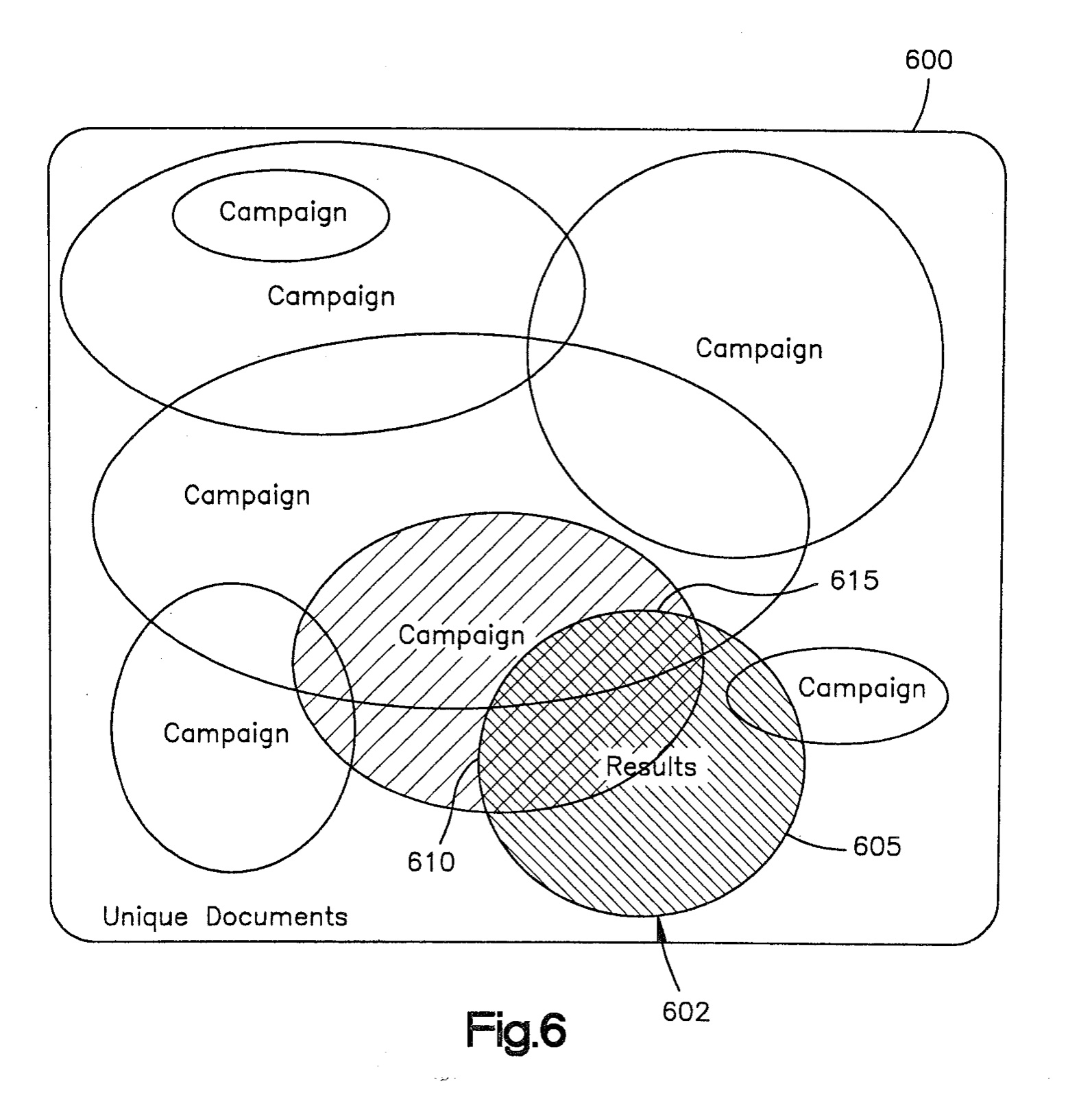 Fig. 6, US 20100257049 A1. Campaigns are sets of documents. An ad wins when its set overlaps the results.
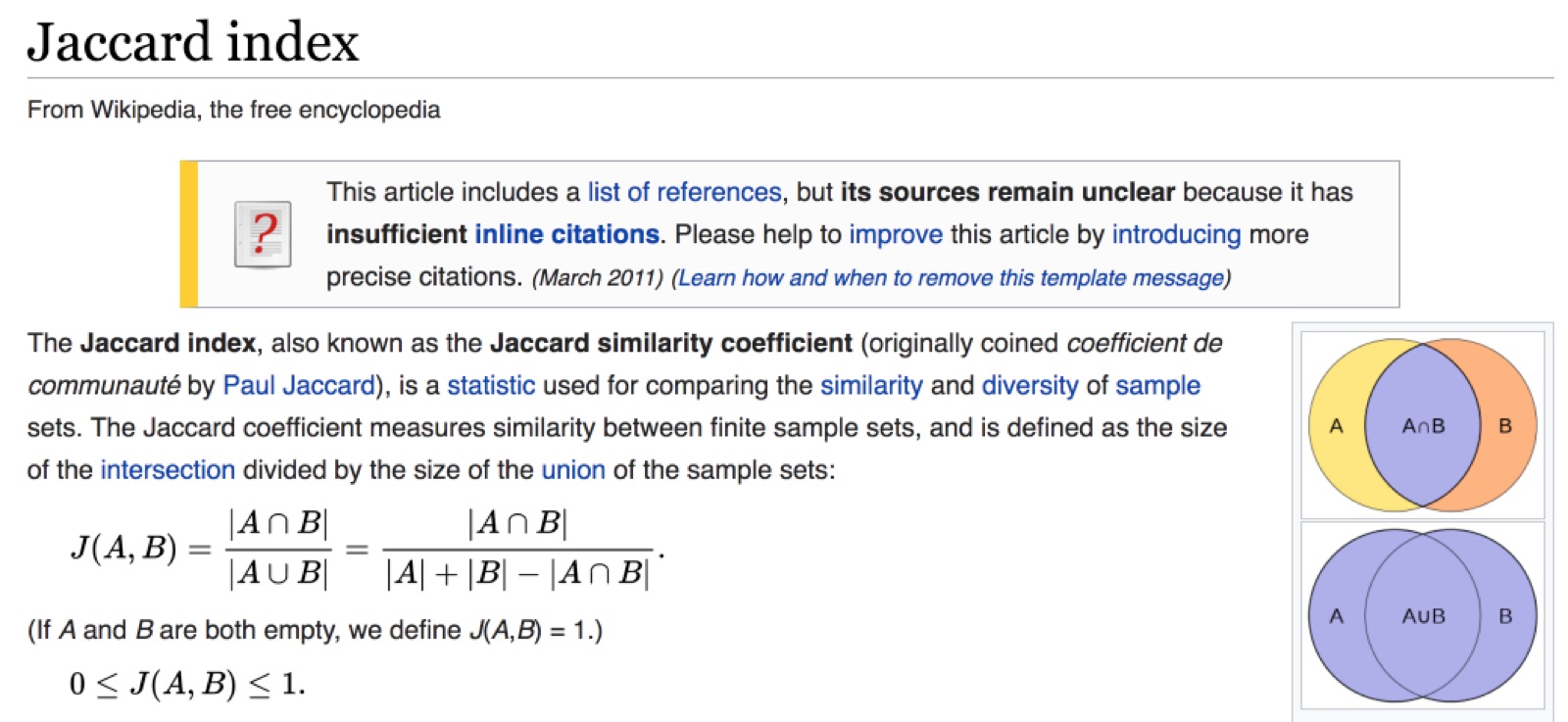
Score every campaign against every result set with the Jaccard index, the size of the intersection divided by the size of the union. It became System and method for identifying and retrieving targeted advertisements, a patent filed in 2009. A boring problem turned into the most interesting thing I had ever worked on.
The things we love in life are abstract.
Mobilize your love by finding what to love.
How to teach love.
First principle: people love meaning.
“In an extreme view, the world can be seen as only connections, nothing else. We think of a dictionary as the repository of meaning, but it defines words only in terms of other words. I liked the idea that a piece of information is really defined only by what it's related to, and how it's related. There really is little else to meaning. The structure is everything.”
“There are billions of neurons in our brains, but what are neurons? Just cells. The brain has no knowledge until connections are made between neurons. All that we know, all that we are, comes from the way our neurons are connected.”
Tim Berners-Lee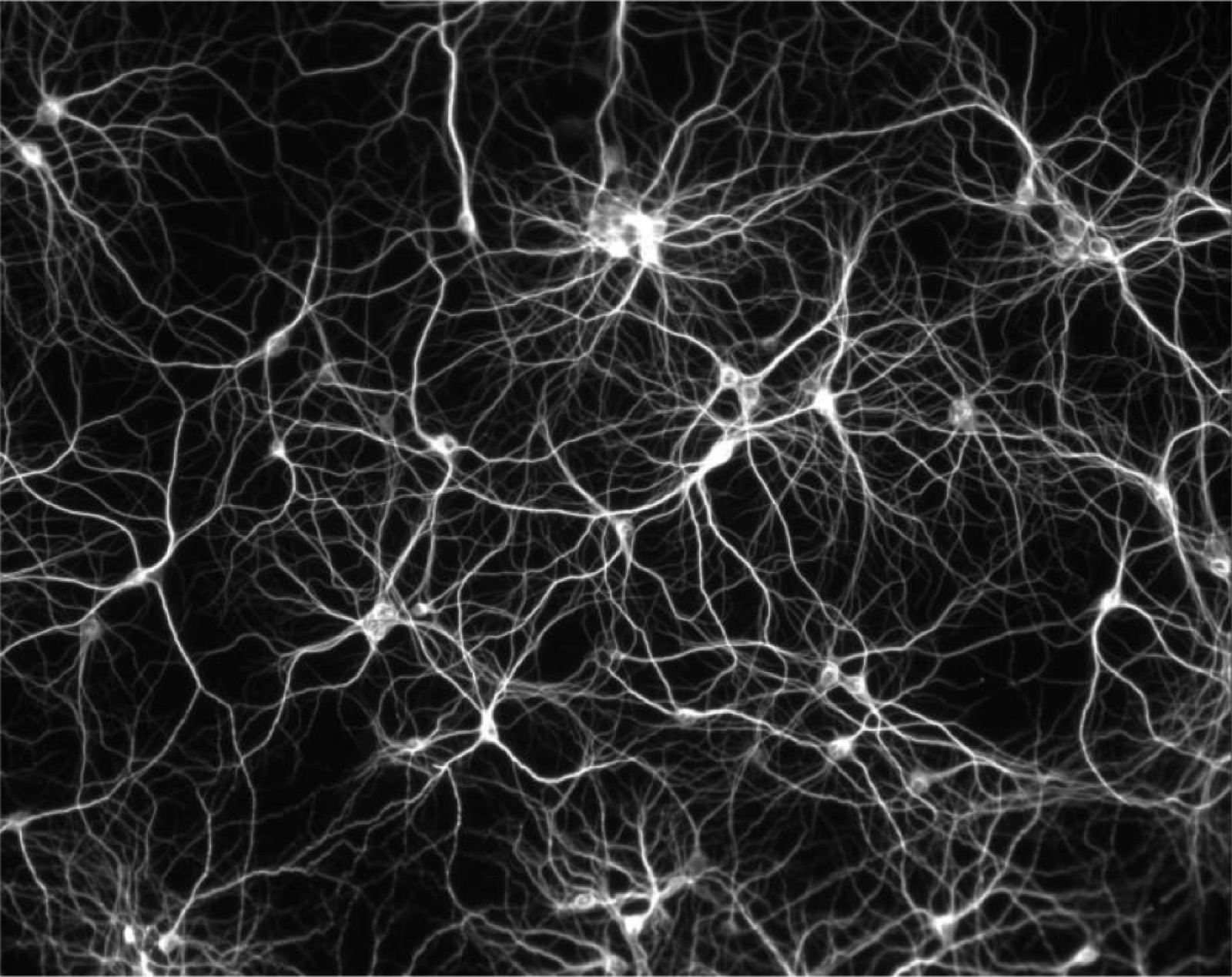
Meaning == Connection
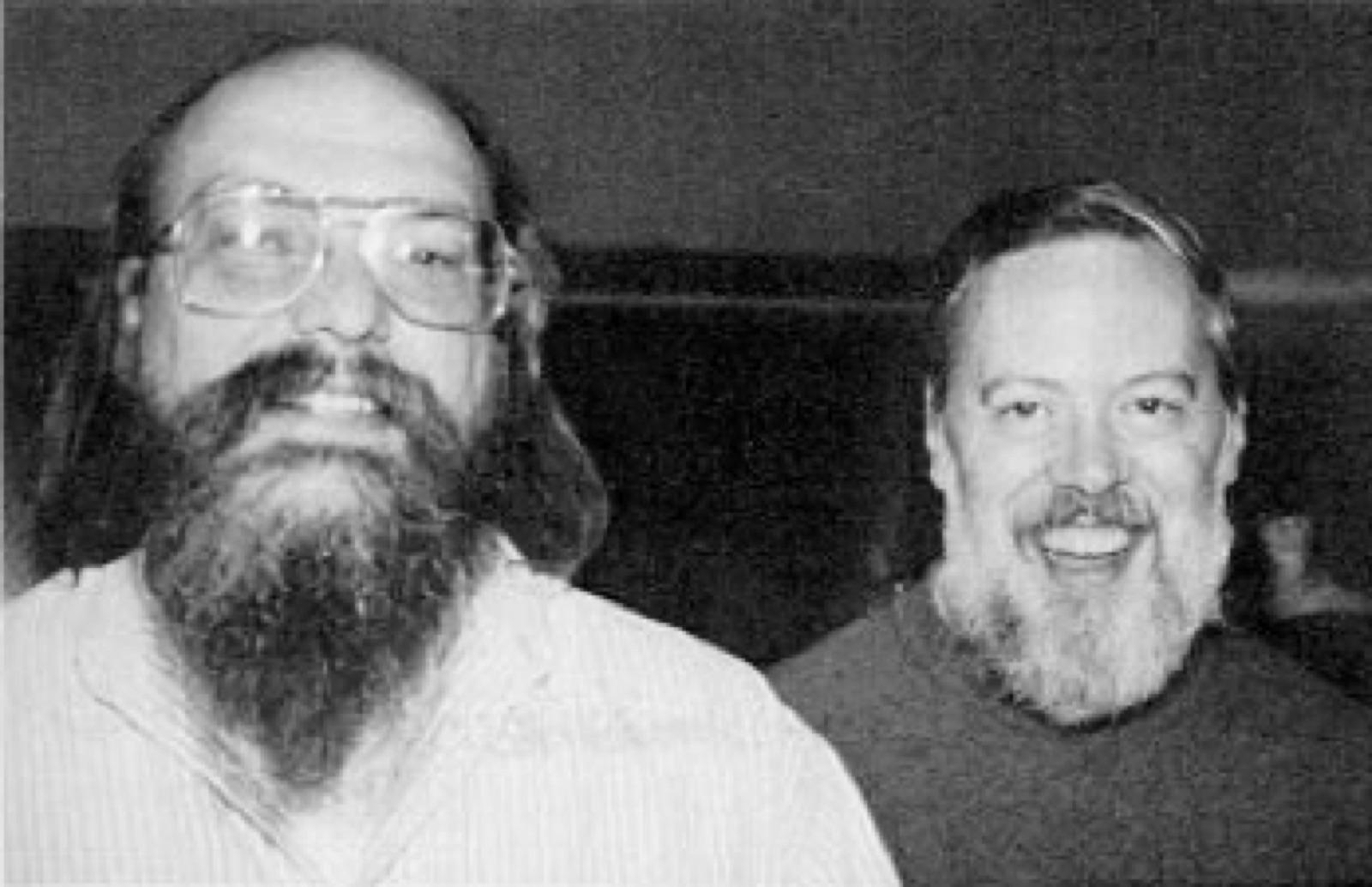
“This is the Unix philosophy: Write programs that do one thing and do it well. Write programs to work together. Write programs to handle text streams, because that is a universal interface.”
Douglas McIlroy“Although that philosophy can't be written down in a single sentence, at its heart is the idea that the power of a system comes more from the relationships among programs than from the programs themselves. Many UNIX programs do quite trivial things in isolation, but, combined with other programs, become meaningful and useful tools.”
The Unix Programming Environment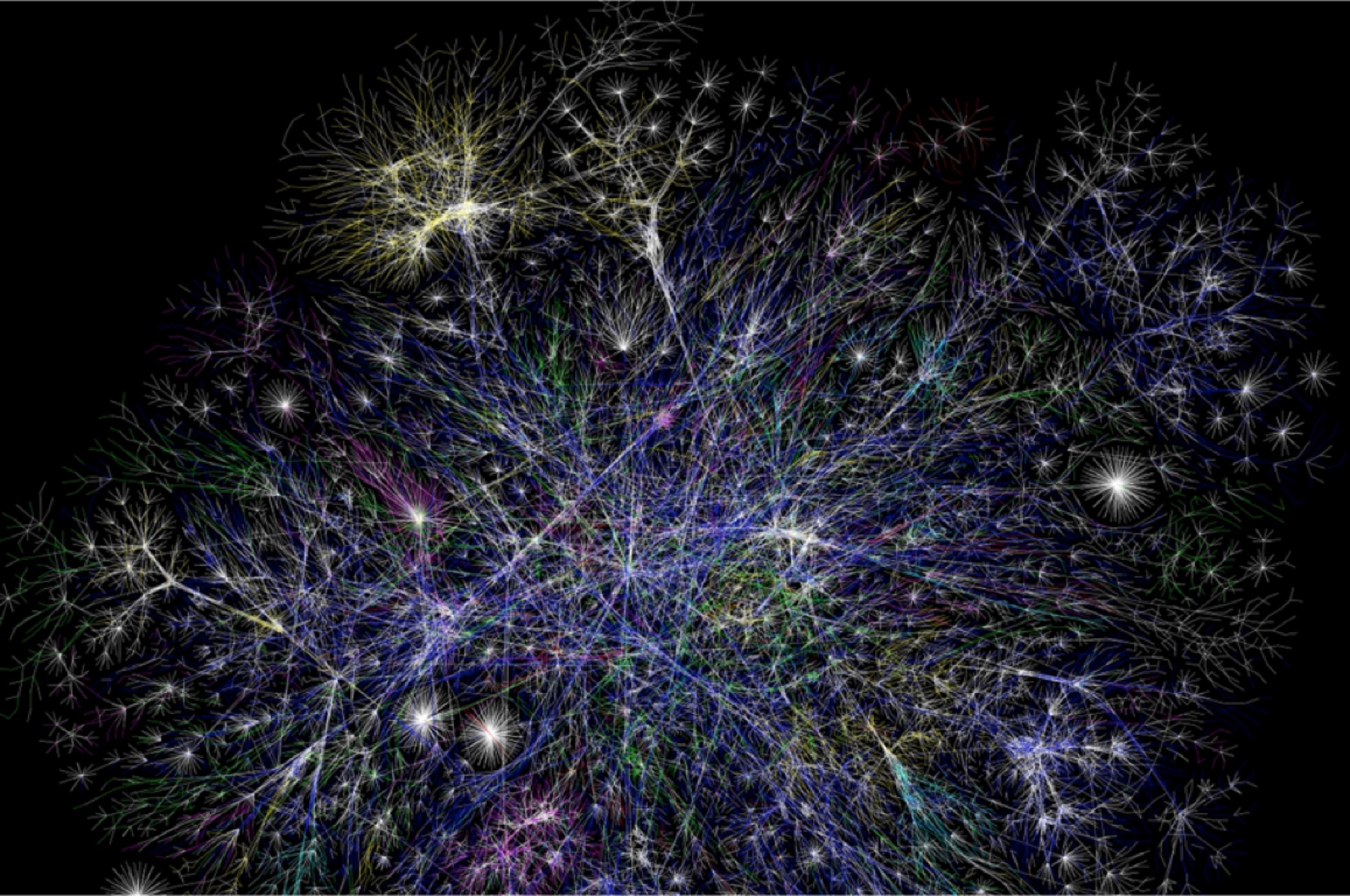
The web made connection itself the product.
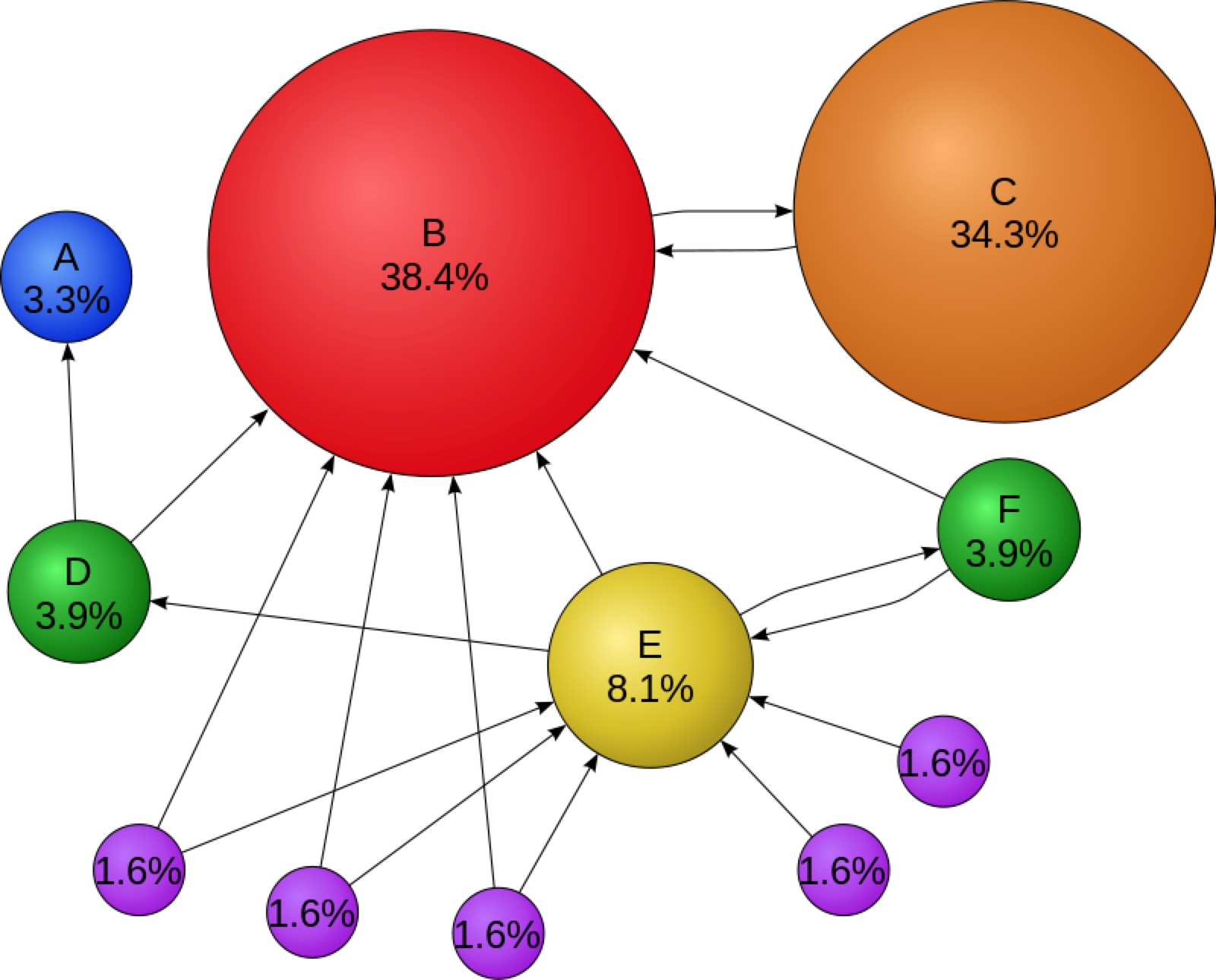 PageRank: a page matters because of what points at it
People love what they find meaningful. Meaning is defined by connections.
How do we create connections?
Every lesson needs an inciting incident
Setup, conflict, resolution. The shape of a story is the shape of attention, and a curriculum can borrow it wholesale.
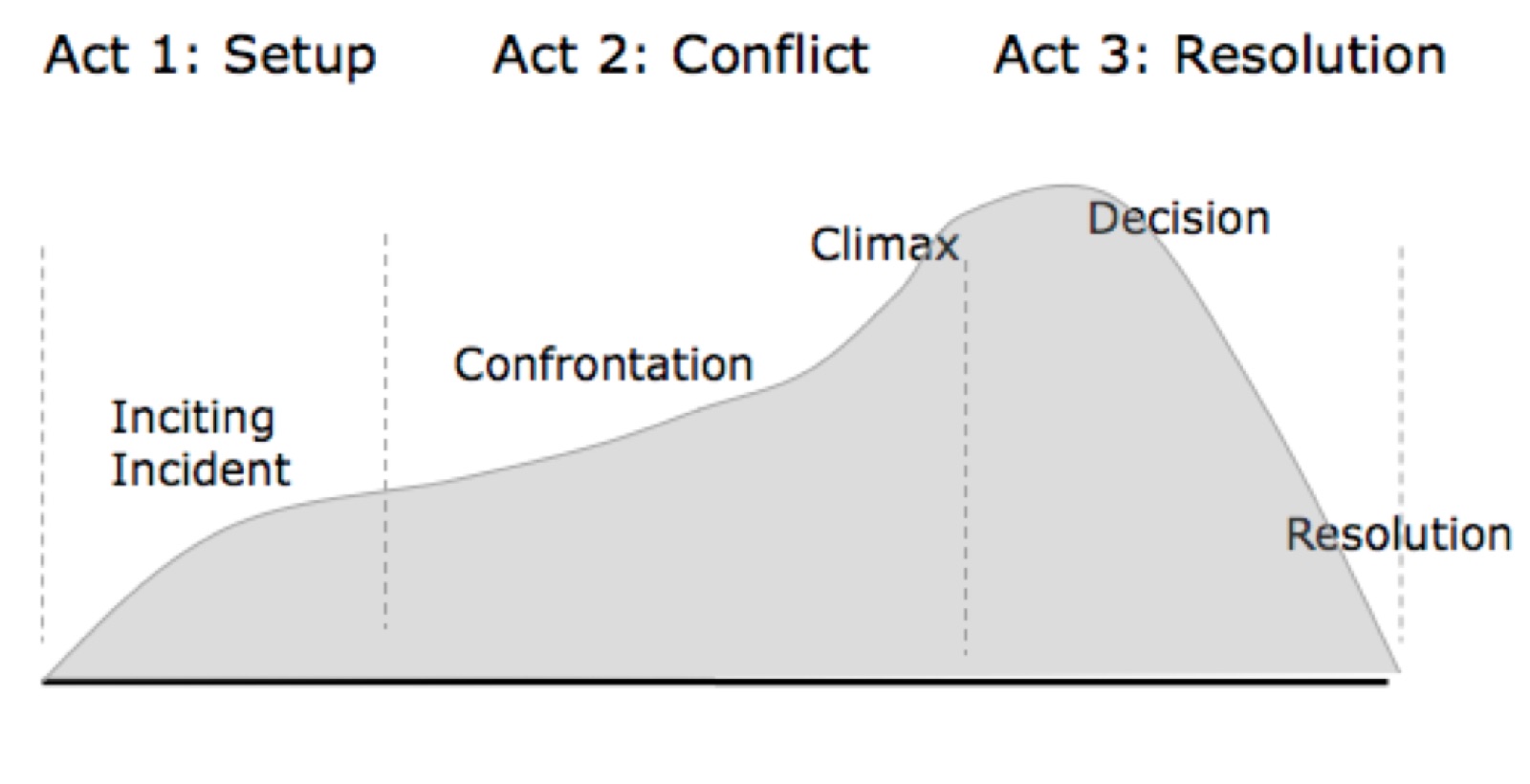 Act 1: Setup. Act 2: Conflict. Act 3: Resolution.
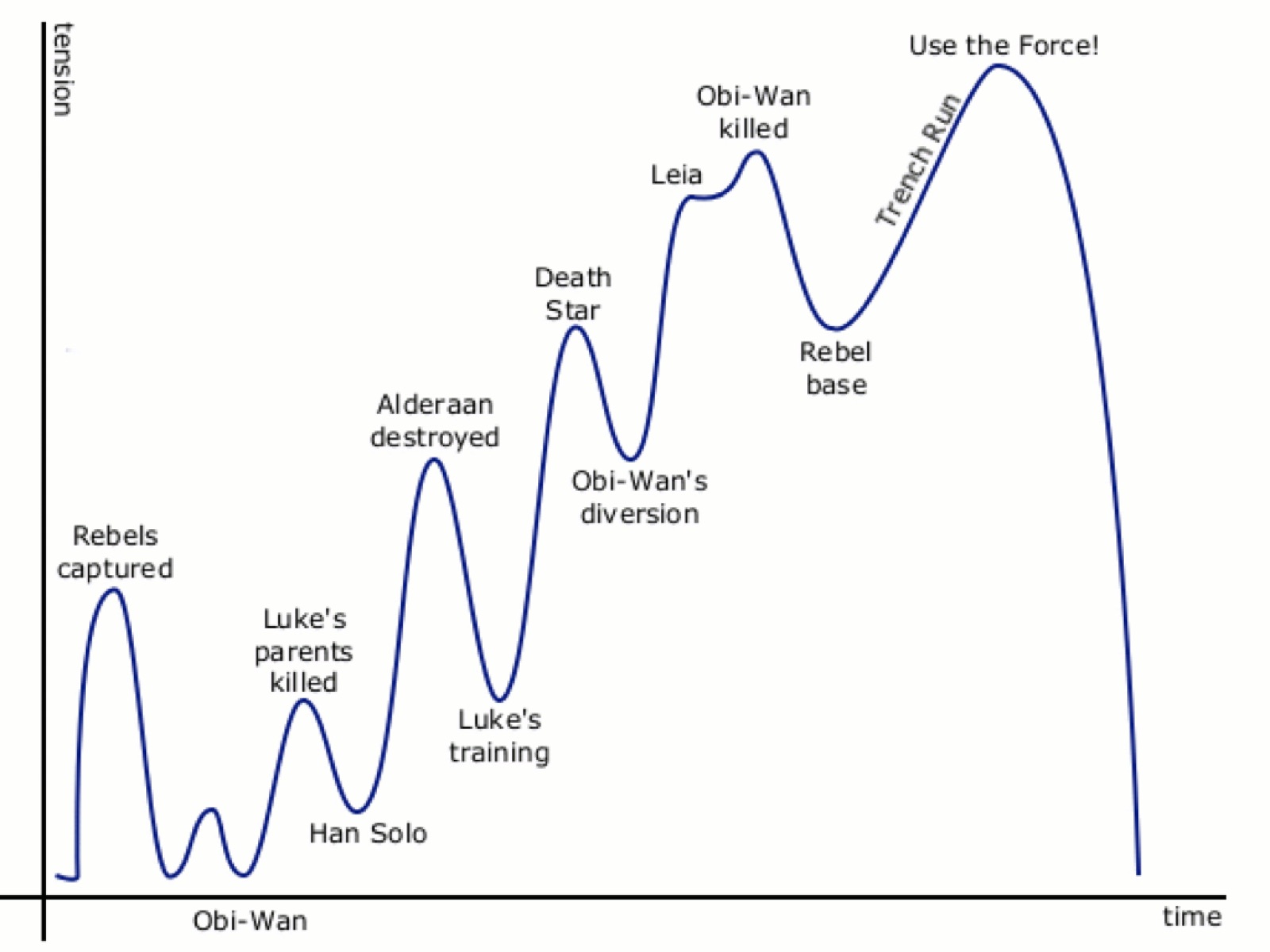 Tension over time. Rising peaks, each higher than the last.
Story: Tic Tac Toe
One game, eight labs, told in order. Welcome. Board. Display the board. Move. Position taken. Valid move. Turn. Each lab ends on the cliff the next one resolves.
- ttt-1-welcome-rb
- ttt-2-board-rb
- ttt-3-display_board-example
- ttt-4-display-board-rb
- ttt-5-move-rb
- ttt-6-position-taken-rb
- ttt-7-valid-move
- ttt-8-turn
Nothing exists in a vacuum.
Capital A Atom, and an instance of one
A class is the idea of a thing. An instance is a particular one. Chemistry already taught everyone this; programming just needs to point at it.
 Atoms in general: a Class.
class Atom
  attr_accessor :protons
  TABLE = {
    1 => "Hydrogen",
    6 => "Carbon",
    8 => "Oxygen"
  }

  def name
    TABLE[@protons]
  end
end
h = Atom.new
h.protons = 1
h.name #=> "Hydrogen"How the internet works, starting in 1908
Before HTTP, before packets, Tesla told the New York Times that the world would carry an instrument no bigger than a watch and hear anything, anywhere. History gives a lesson somewhere to stand.
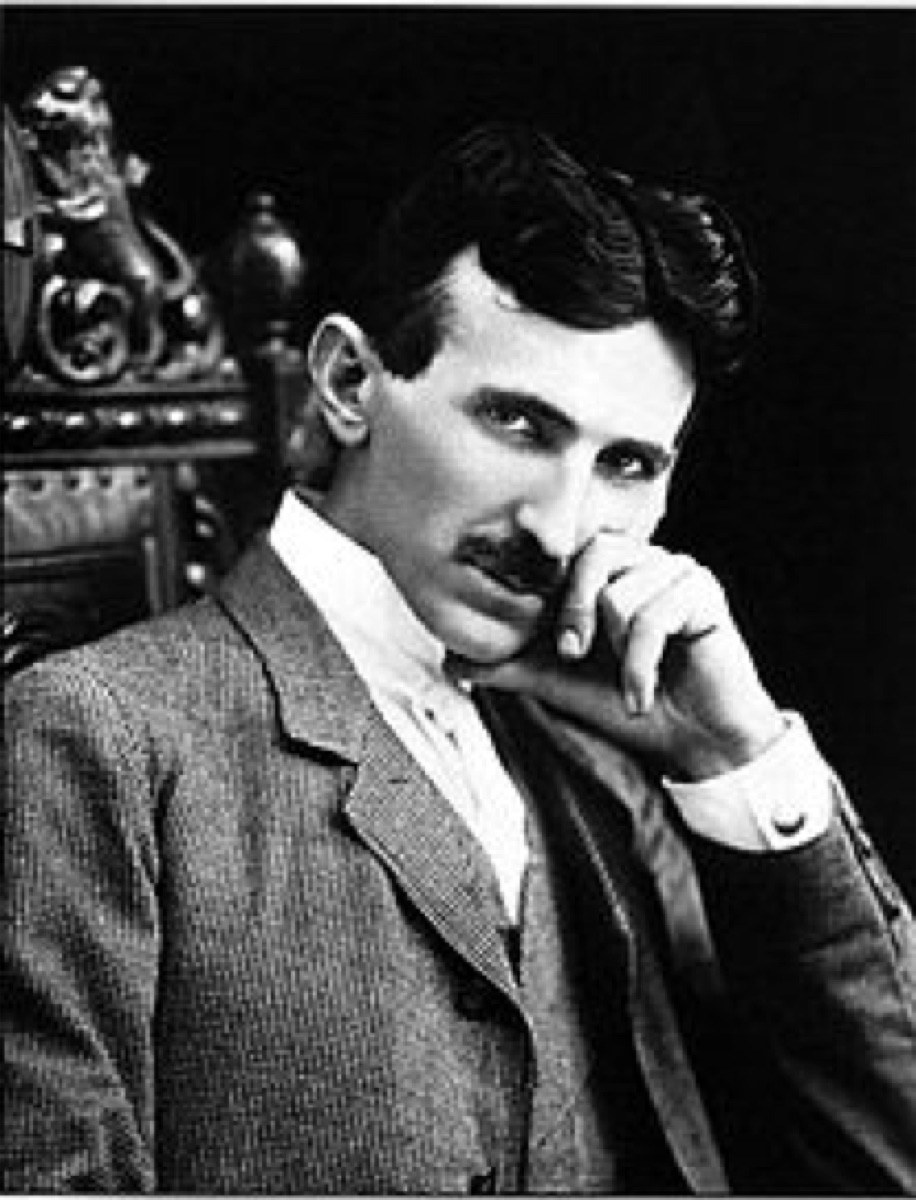
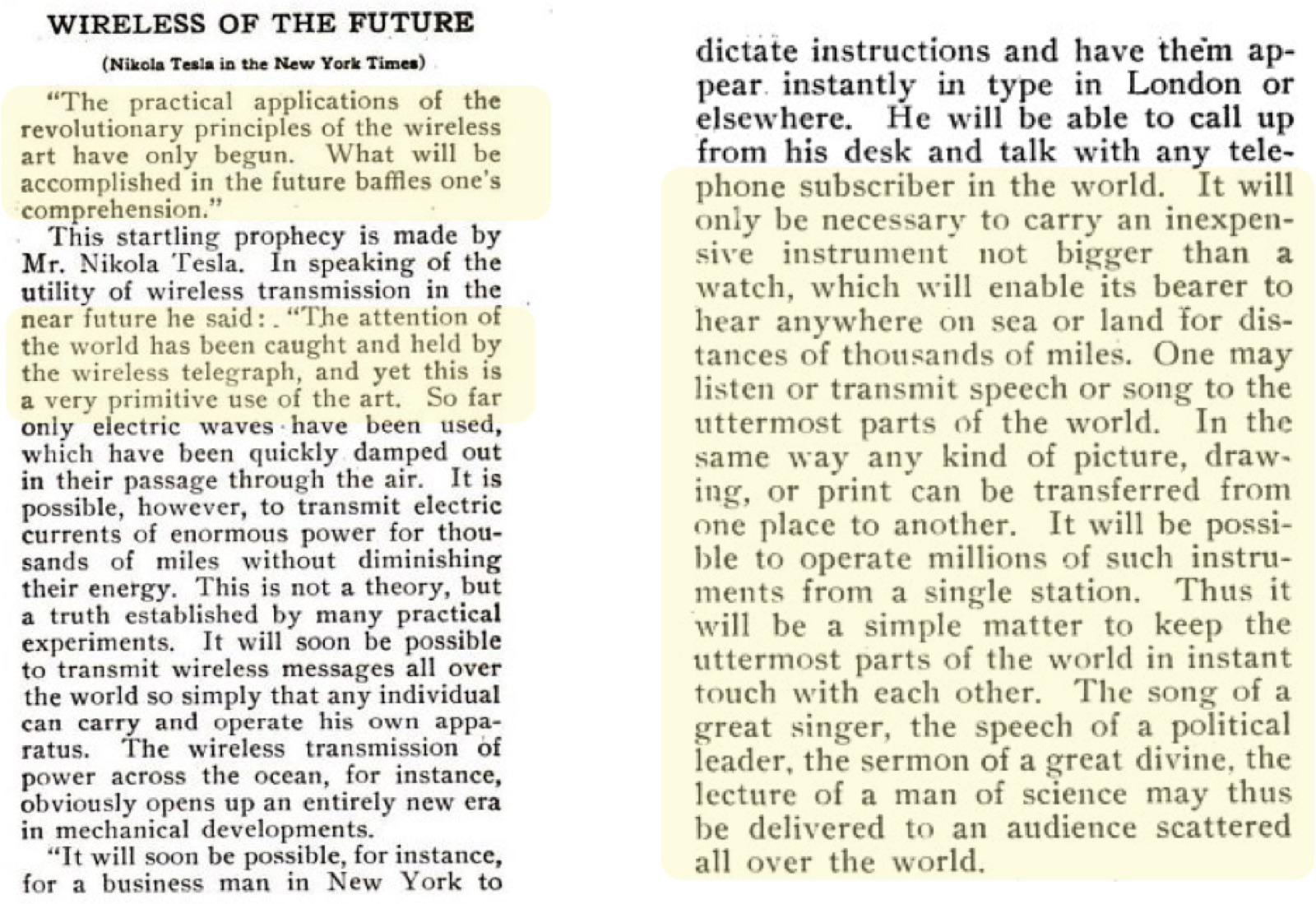 “Wireless of the Future.” Nikola Tesla in the New York Times.
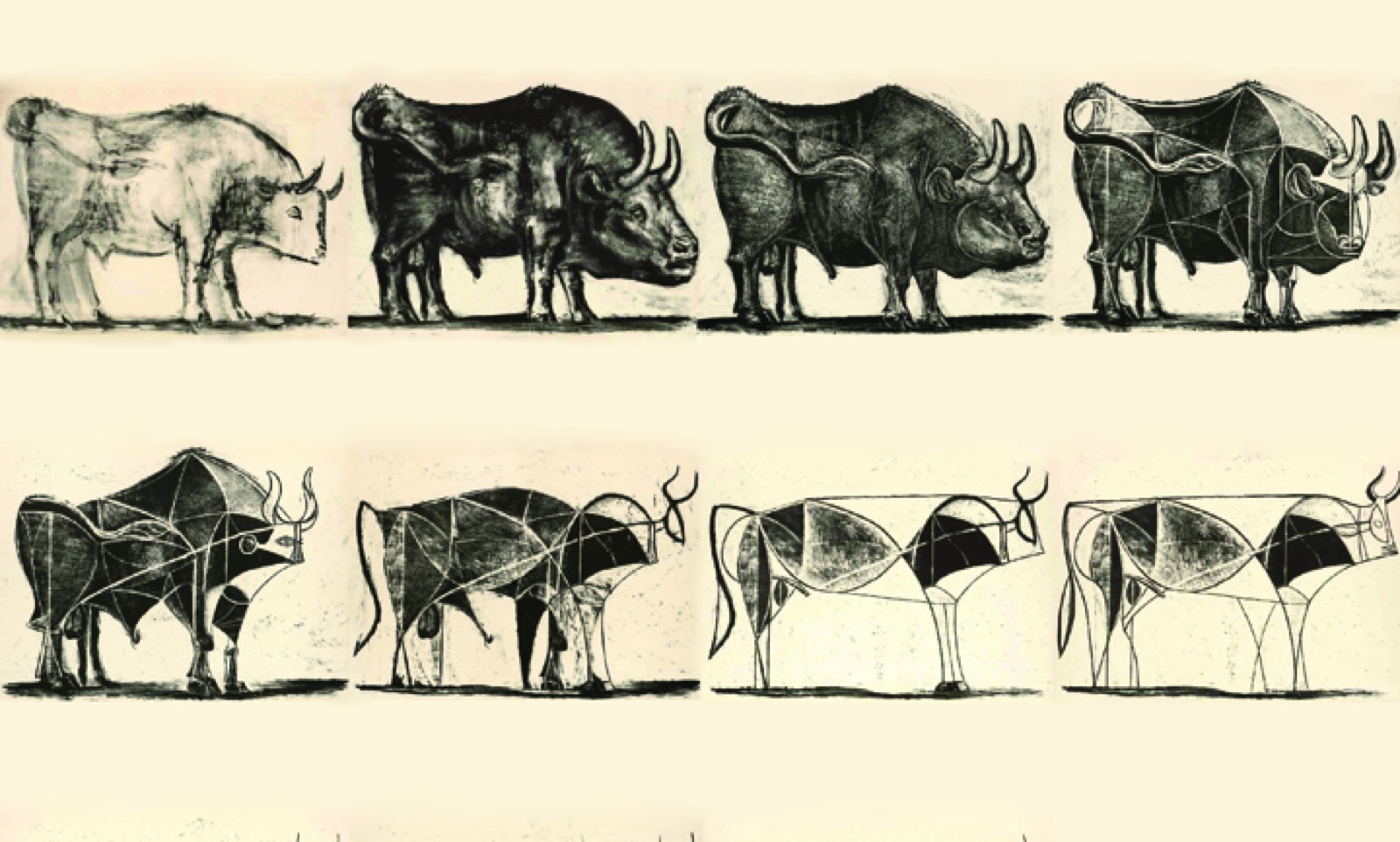
Remove details. Hide information. Encapsulate.
Abstraction is a process by which concepts are derived from the usage and classification of literal concepts. It reduces the information content of a thing to only what is relevant for a particular purpose.
“The purpose of abstraction is not to be vague, but to create a new semantic level in which one can be absolutely precise.”
Edsger DijkstraOnce students learn abstraction, we can increase the density of our communication.
Abstraction accelerates the speed at which we can forge connections through stories and context.
Abstraction provides a precision to teaching.

“The thing I remember best about successful people I’ve met all through the years is their obvious delight in what they’re doing and it seems to have very little to do with worldly success. They just love what they’re doing, and they love it in front of others.”
Fred Rogers